

Facial improvement for men often starts with subtle fixes: filler here, Botox there, maybe a laser to sharpen the skin. But when sagging, jowls, and neck laxity become the main concerns, non-surgical treatments can only do so much.
A facelift can help by repositioning deeper facial structures, restoring jawline definition, and creating a cleaner, more refreshed appearance. This guide explains when filler stops being the right tool and why facelift surgery may become the smarter move.
What Is a Facelift?
A facelift is a surgical procedure designed to lift and reposition aging facial tissues, especially in the lower face, jawline, and neck. Modern techniques go beyond simply tightening skin. As shown in the reference, advanced facelift surgery focuses on releasing and repositioning the deeper foundational structures of the face for a more natural result.
A deep plane facelift in Las Vegas, for example, works beneath the surface to address the deeper support layers. This can create a more refined lift compared with older methods that mainly pulled the skin tighter.
For patients searching for a facelift surgeon in Las Vegas, the goal is often not to look dramatically different. It is to look rested, structured, and natural.

When Fillers Stop Working
Fillers are excellent for restoring volume, shaping features, and softening shadows. But they cannot reposition sagging tissue. When facial aging shifts from volume loss to laxity, a facelift may create a cleaner and longer-lasting result.
1. Filler Adds Volume, But a Facelift Repositions Tissue
Dermal fillers work by adding volume. That can be helpful when cheeks look hollow, lips have thinned, or folds need softening. But if the underlying issue is sagging tissue, adding more filler may create heaviness instead of lift.
A facelift works differently. It repositions facial structures that have descended over time. This helps restore contour without relying on extra volume to camouflage laxity.
That distinction matters. When the face needs elevation, not fullness, surgery becomes a more accurate tool.
2. Jowls Need More Than Filler
Jowls are one of the clearest signs that filler may no longer be enough. Once tissue gathers along the jawline, adding filler around it can only soften the transition temporarily.
A facelift directly addresses jowling by lifting and repositioning the lower facial tissues. This can restore a cleaner jawline and reduce the heaviness that makes the lower face look older.
For men, this can be especially important because jawline strength is often central to facial balance. A male facelift in Las Vegas should preserve masculine structure while reducing sagging.
3. Too Much Filler Can Make the Face Look Heavy
Fillers can be beautiful when used conservatively. However, when patients keep adding filler to compensate for sagging, the face can begin to look puffy, rounded, or overfilled.
This happens because filler cannot reverse gravity. It may replace lost volume, but it cannot lift skin and deeper tissue in the same way surgery can.
A natural-looking facelift in Las Vegas can create a more elegant outcome by restoring support rather than adding more product. The result can look lighter, cleaner, and more authentic.
4. The Neck Changes the Conversation
The neck is often the area where non-surgical treatments reach their limits. Loose skin, vertical bands, fullness, and soft definition under the chin may not respond enough to filler or surface treatments.
A facelift and neck lift in Las Vegas can address the lower face and neck together. This combination helps create a smoother transition from the jawline to the neck, which is difficult to achieve with filler alone.
When the neck ages alongside the face, treating only the face can make results look incomplete. Surgical planning can restore harmony.
5. Deep Plane Techniques Can Look More Natural
Older facelift methods often focused on tightening the skin, which could create a pulled or artificial appearance. Modern techniques, especially the deep plane approach, lift deeper facial structures for a more natural result.
The attached reference explains this well: older methods smoothed the surface without fully addressing the underlying shape. Deep plane techniques reposition the deeper “pillow” beneath the surface, allowing the skin to follow more naturally.
This is why many patients ask about a deep plane facelift in Las Vegas. They want longevity, but they also want movement, softness, and individuality preserved.
6. Mini Facelift vs. Full Facelift Depends on the Problem
Patients often ask about mini facelift vs. full facelift because they want the least invasive option possible. A mini facelift may be appropriate for earlier lower-face laxity, while a full facelift may be better for more advanced sagging, jowls, and neck concerns.
The right choice depends on anatomy, not preference alone. If the neck is significantly involved, a mini approach may not create enough improvement.
If the concern is mild, a full facelift may not be necessary. A consultation helps determine which option matches the actual aging pattern.
7. A Facelift Can Create Longer-Lasting Results
One of the most common questions is: how long does a facelift last? While longevity varies by patient, technique, skin quality, lifestyle, and aging process, facelift results generally last longer than fillers because surgery repositions tissue instead of temporarily adding volume.
Fillers require maintenance because the body gradually metabolizes them. A facelift does not stop aging, but it can reset facial structure in a way that remains meaningful for years. For patients tired of frequent touch-ups, surgery may offer a more durable path.
8. Facelift Results Can Look More Refined in Photos
When filler is overused, the face may look full in motion or under certain lighting. Surgery can create a more sculpted result because it restores natural angles rather than adding bulk.
This can be especially noticeable in photos. The jawline may look cleaner, the neck smoother, and the lower face less heavy. A good facelift does not announce itself. It lets the face look refreshed from every angle.
9. Men Need a Different Facelift Strategy
Male facial aging requires careful planning. Men often have thicker skin, stronger facial ligaments, heavier tissues, facial hair patterns, and different aesthetic goals than women.
A male facelift should avoid over-softening the face. The goal is usually a sharper jawline, cleaner neck, and more rested expression without feminizing the features.
Incision placement also matters because beard patterns and shorter hairstyles can affect scar visibility. This is why choosing the right facelift surgeon in Las Vegas is so important.
10. Fillers Still Have a Role
Choosing a facelift does not mean fillers are useless. Fillers may still be helpful before or after surgery for areas that need volume, such as the temples, lips, or cheeks.
The key is using each treatment for what it does best. A facelift lifts and repositions. Filler restores volume and refines selected features.
When combined thoughtfully, surgical and non-surgical treatments can create a more complete rejuvenation plan.
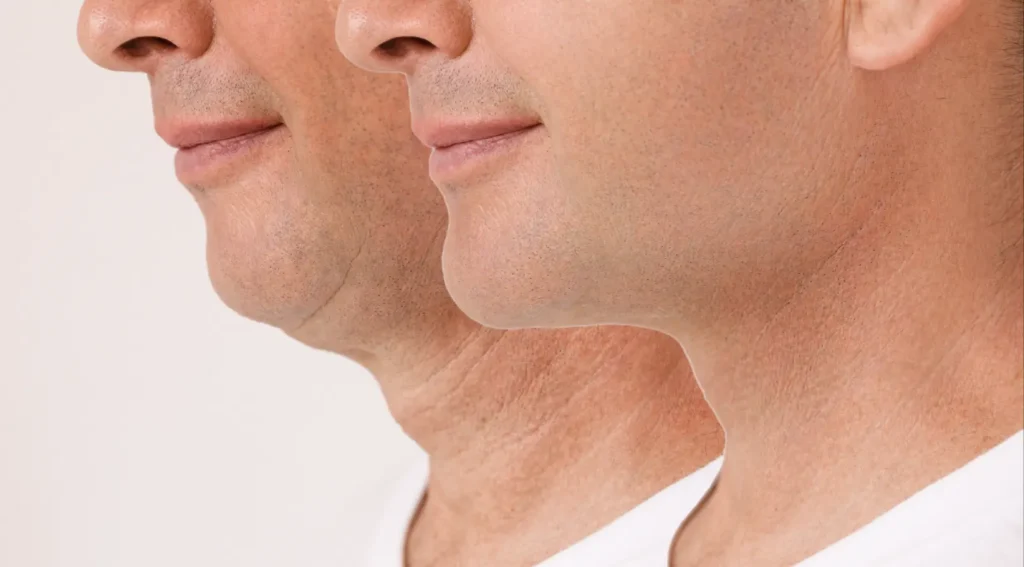
Individual results may vary
A facelift can help when filler no longer corrects sagging, jowls, neck laxity, and deeper structural aging. While fillers remain valuable for volume restoration, a facelift repositions tissue, restores jawline definition, and creates longer-lasting facial rejuvenation.
Pancholi Cosmetic Surgery offers a facelift for a natural, refined result that feels like a sharper version of themselves.
Contact us today to book your consultation!